No-starts and diesel faults
Scanner first, parts second. Cranking tests, fuel checks, and the honest word on whether the fix is roadside or a bay job.
Chicago freight does not wait for a tow truck. Between the rail yards, the Dan Ryan, and a winter that tries to kill batteries from November to March, a truck that quits here needs help that drives to it. Super Truck Repair of Chicago puts a technician at your truck, at the yard on Cicero, at the intermodal gate, or on the I-55 shoulder, with the parts the symptoms called for.
A dispatcher running thirty units off Cicero Avenue and an owner-operator with one tractor get the same thing from us: a repair that holds and a straight answer about what comes next. Roll it, hold it, move it, or book a bay. Your call, made with real information.
For yards we visit regularly, we keep per-unit notes on what was checked and what was replaced. When the same fault shows up on the third truck, that pattern is worth more than the three repairs, and we tell you about it.
You do not need paperwork, just eyes on the truck. Read us the dash, tell us what changed before it quit, and snap a photo of anything that looks wrong. In winter, add whether the truck has been plugged in and how long it sat.
Scanner first, parts second. Cranking tests, fuel checks, and the honest word on whether the fix is roadside or a bay job.
Leaks, frozen valves, chambers, slack adjusters. Nothing rolls out of our hands until it builds air and holds it.
Lights, seven-ways, ABS power, doors, landing gear. Gate-check failures fixed at the yard so the box makes its cutoff.
Load tests before parts swaps. Half the dead trucks in a Chicago January are a cable or a connection, not the battery everyone blames.
PMs, inspections, and small repairs grouped by yard visit. The cheapest breakdown is the one that got caught in the parking lot.
The intermodal yards are our bread and butter. Corwith, the Harvey and Joliet corridors, and the warehouse belts around Bedford Park and Cicero. A container chassis with a lighting fault cannot pass the gate, and the clock on that box does not care whose fault it is. We also run the interstates: I-55, I-57, I-80, I-90 and 94, and the Borman when Indiana-bound loads limp across the line.
City work has its own rules. A box truck dead behind a Fulton Market dock has maybe an hour before someone needs that alley. A shoulder call on the Dan Ryan is a traffic-safety decision before it is a repair decision. We ask the questions that matter for the exact spot the truck is sitting, because the same fault gets a different plan at a rail gate than it gets downtown.
Tell us what the truck is doing, where it sits, and whether it is loaded. Two minutes of questions, then a plan: what we think it is, whether it can be fixed on-site, and when a technician can be there. Fault codes and photos of the dash speed everything up.
Winter changes the math here and we plan for it. Gelled fuel, air dryers icing, batteries that survived the summer but not the first week of single digits. From Thanksgiving on, our trucks carry the cold-weather stock because we know exactly what Chicago is about to do to yours.
Yes, constantly. Corwith, Harvey, Joliet, and the gates between. If the terminal allows outside service trucks, we know the drill: gate code, escort if required, and in and out without drama.
If it is sitting where a person can work without traffic at their back, yes. If it is pinned in a live lane, we deal with the safety problem before the mechanical one, and that sometimes means a wrecker gets the first turn.
Do not keep cranking it, you are just burning the starter. Call with what the dash showed before it died. Cold no-starts are usually fuel gel, air in the fuel, or a battery bank that quit, and all three are roadside fixes most days.
Yes. A dropped trailer at a dock or in a yard is a normal call. Lights, air, doors, landing gear, tires.
Depends entirely on the fault and the location, and we quote before we roll. What we do not do is charge you for a service call to be told it needs a shop. You get that answer on the phone when the symptoms make it obvious.
Yes, and it is the smartest money in this climate. Standing yard visits with per-unit notes, timed before winter and before DOT season. The units we see on schedule almost never meet us on a shoulder.
The freight belt: Cicero, Bedford Park, Harvey, Joliet corridor, and the yards between. If you are on the edge of that map, call anyway. The answer depends on the day and we give it straight.
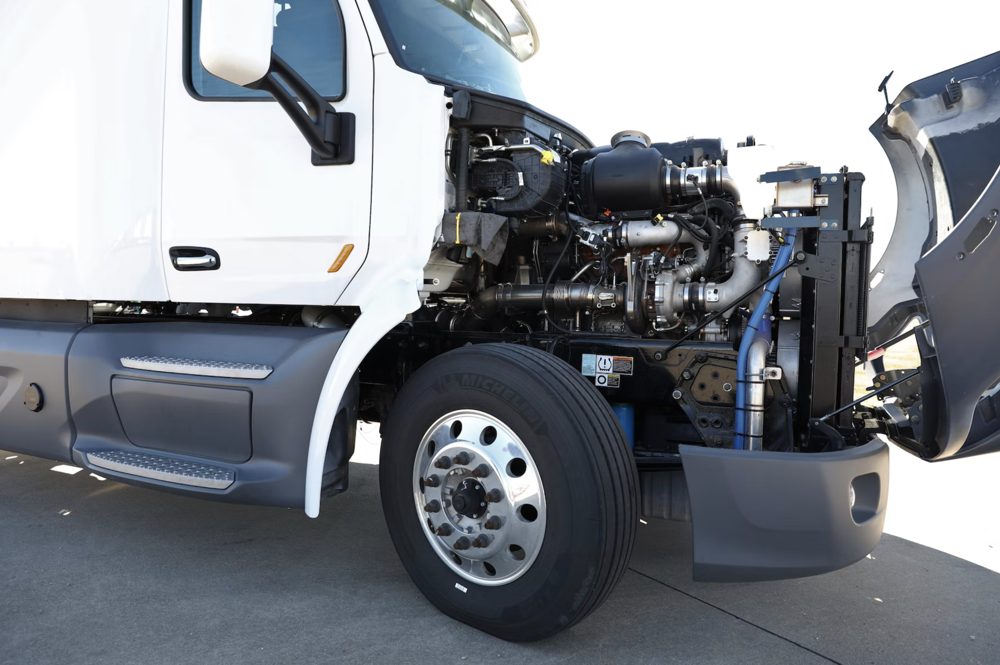
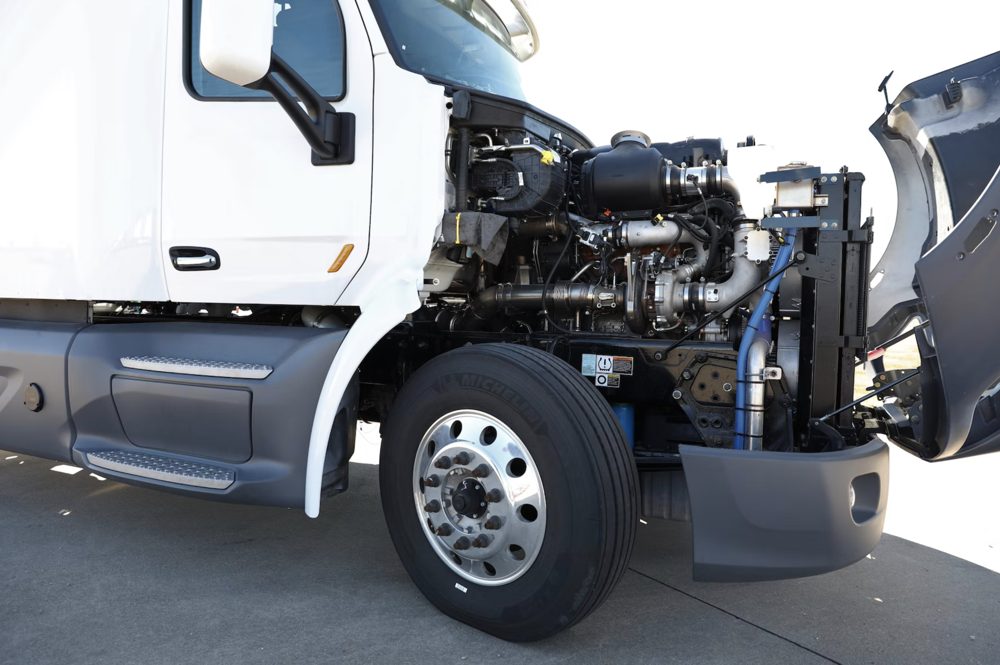
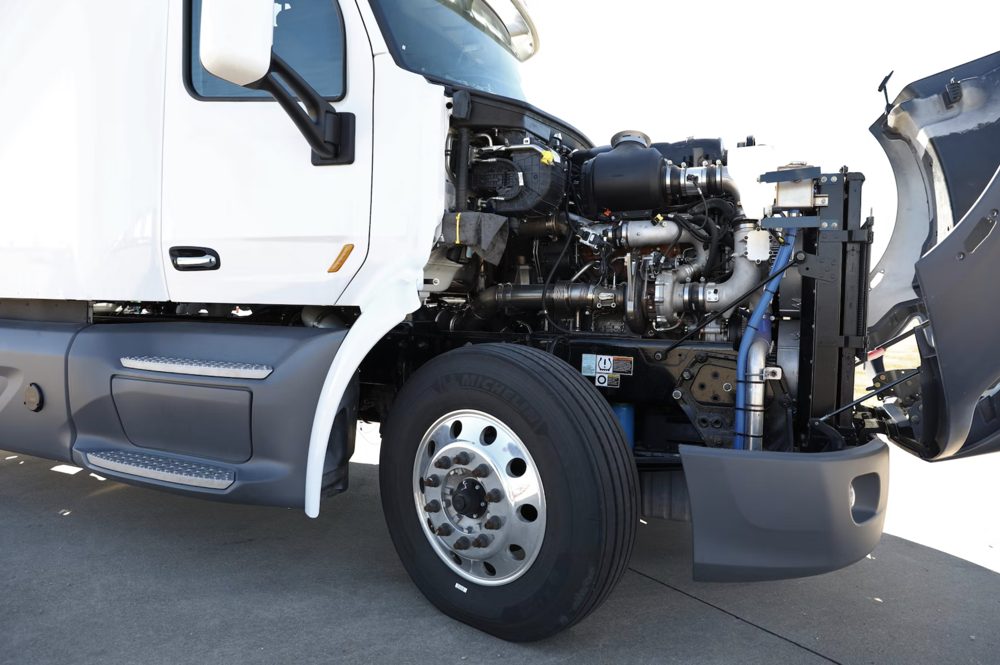
The same fault plays out differently across this city. A dead tractor at a Corwith gate is a queue problem, so we coordinate arrival with the terminal. The identical fault behind a Fulton Market dock is an alley problem, so speed matters more than paperwork. On the Borman it is a traffic problem, and the first decision is whether anyone should be standing next to that truck at all.
Winter adds its own chapter. After the first hard freeze we triage differently: fuel gel and dryer ice jump the line because they multiply across fleets overnight. If your yard has three trucks down the morning after a cold snap, say so, and we will plan the visit to clear all three instead of ping-ponging.
Monday brings the weekend's casualties: trucks that sat two days in the cold and greeted their drivers with a click. Midweek is trailer week, lighting and air faults found during pre-trips as equipment rotates through the yards. Friday afternoons produce the derates, because check engine lights have a sense of humor about weekends. And all week long there are tires, because the expressway joints and the freeze-thaw potholes of this city eat sidewalls like popcorn.
We tell you this so you know what you are calling: not a call center reading a script, but a crew that has seen your exact Tuesday before and stocked the truck for it. The fastest repair is the one somebody predicted.
Not everything we fix has eighteen wheels. Chicago runs on box trucks, and box trucks run on liftgates, which fail exactly when a pallet is half on and half off. Liftgate electrical, delivery truck brakes, and the everyday wounds of alley clearances are steady work for us inside the city, where taking the truck to a shop means losing the route and the parking spot both.
Every Chicago fleet has a January story. Ours is a checklist. Before Thanksgiving: batteries load-tested, air dryers serviced, fuel treated ahead of the first deep freeze. During the freeze: no long cranking, no ether unless you enjoy buying engines, and a phone call before anyone improvises. After a bad night we clear yards in waves, worst unit first, so a fleet gets its morning routes back instead of a random truck at a time.
None of this is clever. It is just what surviving twenty winters on this freight grid looks like when it is written down and followed.
Intermodal terminals run on throughput and they do not owe a service truck anything. We show up with the gate code confirmed, the escort arranged if the yard wants one, and the job scoped on the phone so the wrench time inside stays short. Chassis lights, brake releases, air leaks, and tire changes clear the gate faster when the technician arrives already knowing the plan. That reputation is why the gates keep letting us in.
Where is it sitting, what is it doing, and is it loaded. That is all we need to get moving. The rail gate, the dock, the shoulder, or the back row of the yard: the repair comes to the truck.